

|
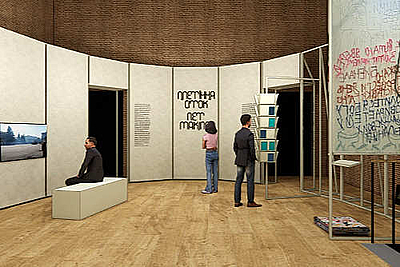
Afghanistan's Orphans The orphans of Afghanistan – who are they? They don’t know the date of their birth, have no birth certificate, have lost every thread of any family network, and celebrate no holidays. Some of them were forced to watch as their parents, relatives, or friends were manhandled, raped, or killed. These children are unprotected and are exploited for the goals of diverse political and religious groups – first as Koran pupils and later sometimes as fighters. We are presenting these children, because my, your, our responsibility is to look, understand, and think about them, because these fates ultimately also have consequences for our lives. For three decades, war ruled in Afghanistan, and we experience the country in connection with the conflicts of world power politics and international terrorism. But in the country, the war leaves not only ruins, poverty, and unemployment, but also countless orphans. UNICEF estimates the number of orphans around the world at 143 million. Afghanistan alone has 1.6 million. We are only marginally aware of their fates. That’s why there is this exhibition. What do we know about these children? Where do they find refuge today? Who takes care of them? The audiovisual exhibition aims to create access to the world of the orphans. A direct glimpse of their daily lives permits differentiated perception. Through the exhibition, the orphans can send a message and thereby shed their anonymity. Here they are the center of attention and let us know their wishes and needs. Access to public attention is the prerequisite for dialogue. The pictures and interviews were created in February and March 2007 in an orphanage in Kabul. The children there have the possibility to eat, sleep, and attend school. A total of 15 children aged seven to fourteen were portrayed. The exhibition shows three photographs of each of them and accompanying text plaques summarizing what each child says about himself or herself. In parallel, the exhibition room is filled with ambient sounds: the children’s voices, their statements, their favorite songs, and poems. The result is a dense atmospheric impression that presents the children as authentically as possible. The pictures and the personal stories enable the visitor to enter a world that until now has been foreign. The exhibition’s ambition is to stimulate discussions, provide impetus for viewers’ own thinking about the topic, and, not least, open up perspectives. But most of all, it aims to be a mouthpiece for those who otherwise are never heard: the orphans.
Farzana Wahidy
Shikiba Babori As a traveling exhibition, the project is available to other event organizers, as well. If you are interested, please contact Shikiba Babori: babori@kalima-news.com
Newsletter:
|
|